
No Whistling in the Hive 🎶🐝
Whistling indoors is one of the most widespread superstitions in the world—and for centuries, it’s been linked to bad luck rather than good cheer.
The most common warning? You might whistle your money away.
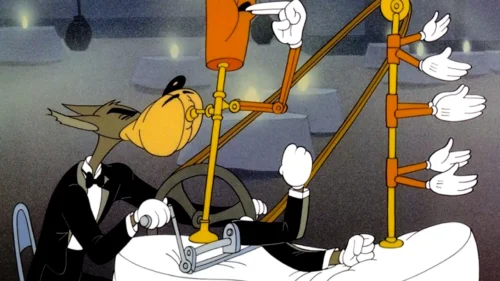 (Avery’s most famous characters is a whistling wolf, who first appeared in the 1937 cartoon,
Little Red Walking Hood (Credit: Alamy))
Across cultures, indoor whistling—especially at night—was believed to invite trouble into the home. Some traditions say it attracts mischievous spirits, while others warn of very earthly consequences, like theft or financial loss.
Folklore says whistling indoors can bring:
-
💰 Financial loss: In Russia and much of Europe, whistling inside is said to drive money away—or even take luck from the homeowner.
-
👻 Unwanted visitors: In Turkey, Japan, China, and many Islamic cultures, it’s believed to invite spirits, jinn, or ghosts inside.
-
🍀 General bad luck: In places like India and Romania, whistling indoors is associated with misfortune, theft, or even death.
-
🐍 Calling the wrong kind of guests: Japanese folklore warns that whistling can attract snakes or other animals.
Where did this belief come from?
In quiet homes, whistling echoed sharply and was once considered disruptive or disrespectful. Some thought the sound mimicked ghostly calls, while others believed whistling acted as a signal—an invitation to whatever might be listening, especially after dark.
Around the world:
-
🇷🇺 Russia & the Baltics: Whistle inside and you’ll lose money—whistle in someone else’s home and you might take theirs.
-
🇯🇵🇨🇳 Japan & China: Nighttime whistling can summon spirits or bad weather.
-
🇹🇭🇵🇭 Thailand & the Philippines: Whistling indoors after dark is said to invite ghosts or mythical creatures.
🐝 BRealEstate.net wisdom:
To keep your hive peaceful, prosperous, and protected, save the whistling for the outdoors—and let your home stay sweet, steady, and full of good fortune.