
🏛️ Swag (Festoon): A Timeless Draped Elegance
Renaissance
The Swag, also known as a Festoon, traces its roots back to the grand interiors of
the Renaissance, when opulent fabrics were draped across
walls & windows to symbolize wealth & refinement.
Inspired by classical architecture & decorative garlands, swags brought
softness & movement to otherwise structured spaces.
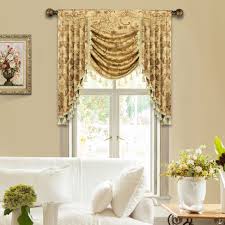
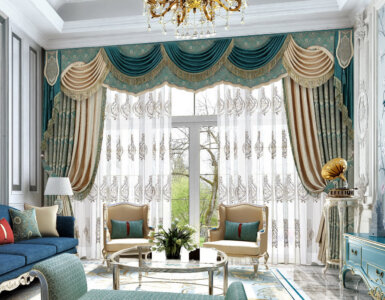 A swag consists of one or more pieces of fabric gracefully
draped over a rod, forming elegant curves.
It is typically installed at the top of a window treatment & often paired with jabots,
cascading side panels that frame the window with tailored drama.
During the 18th and 19th centuries, swags became especially popular in
formal parlors & dining rooms, where layered textiles, tassels,
& trims Reflected the Homeowner’s Taste & Status.
✨ Today, the swag remains a classic design element…adding depth, softness,
& a touch of historic grandeur to both traditional & transitional interiors.
🐝’s Favorite:
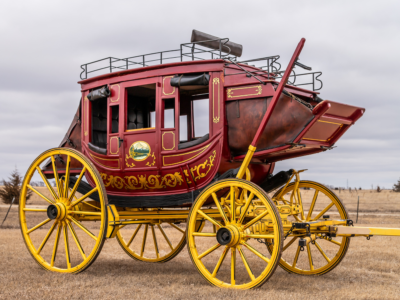
🎀 The Stagecoach Valance: A Victorian Classic
The Stagecoach Valance was introduced in the late 19th century during the Victorian era,
a time when layered fabrics, tailored details, & upholstered window treatments,
became hallmarks of American interior design.
Homes of this period embraced elegance & ornamentation &
The Stagecoach Valance fit perfectly within that aesthetic.
Mounted on a structured board and secured inside the window frame, this distinctive valance features fabric that is softly rolled upward & tied at the center with a ribbon.
The result is a refined, tailored silhouette that adds dimension and charm to narrow windows.
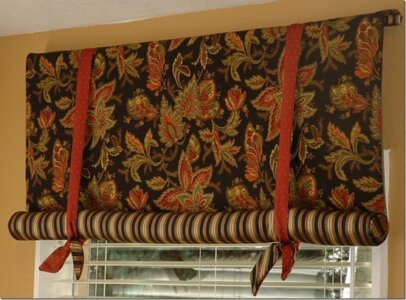
Beyond its decorative appeal, the design served a practical function: it concealed hardware while providing a polished, finished look to the window frame.
✨ With its combination of structure and softness,
The Stagecoach Valance remains a timeless nod to Victorian craftsmanship & style.